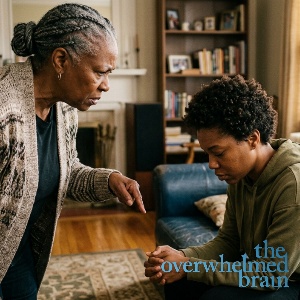
Repeat after me:
“Your jealousy is not my problem.”
“Your insecurities are not my problem.”
“Your dysfunctions are not my problem.”
“Your inability to accept me as I am is not my problem.”
These are bold statements, I realize. But some of us, somewhere along the way, have learned to shrink ourselves to make others more comfortable. We learned to change who we are to fit someone else’s expectations.
And in doing so, we lost something essential: ourselves.
The truth is, if someone can’t accept you as you are, that’s their responsibility to work through, not yours to fix by becoming someone you’re not.
This isn’t about being selfish or uncaring. It’s about recognizing a fundamental truth: you can’t build a healthy relationship with someone who needs you to be different in order to love you.
Some people have a natural ability to stand up for what’s right, even when it’s uncomfortable. They see injustice, and they speak up. They witness something wrong, and they address it. Not every time, and not in every situation, but when it matters, they find their voice.
That kind of courage can be intimidating to watch, especially if you’re someone who avoids conflict. You might think about all the potential consequences of speaking up. You might worry about making things worse, about looking like the difficult one, about having to deal with the fallout.
But what often happens is that the person who speaks up might look like the jerk in the moment. But almost everyone else was thinking the same thing, and they chose to stay quiet. So the one person brave enough to say something becomes the target. They’re the troublemaker; They’re the one who couldn’t just let it go.
Yet that willingness to stand in their power, to say what needs to be said, is actually one of the most valuable qualities someone can have. It’s not about being combative or looking for fights. It’s about refusing to participate in the collective silence that allows dysfunction to continue.
Honestly, we all talk about others when we’re not around them. We vent to trusted friends. We express frustration about disagreements we didn’t want to escalate in the moment. We might say things in private that we’d never say to someone’s face.
That’s normal. It’s how we process our emotions and work through conflicts without making every single disagreement into a confrontation.
The key difference is intent and care. When you care about someone, you might vent about them to a friend, but you’re not trying to hurt them. You’re not trying to make them feel small or take away their power. You’re processing your own feelings about a situation.
But when someone says hurtful things directly to you, especially in front of others, that’s different. That’s about making you feel less than who you are. That’s about control and diminishment.
When someone insults you, puts you down, or makes you feel bad about yourself in the moment, they’re revealing something about themselves, not about you.
Healthy, compassionate, loving people don’t talk like that to people they care about. They don’t think like that about people they value. They might have frustrations, they might need to vent privately, but they don’t attack someone’s character or make them feel unworthy.
When someone does that to you, it shows who they are inside. Not who you are inside.
This shows up in romantic relationships all the time. And sometimes, the relationship doesn’t survive, and both partners go their own way.
Sometimes there’s an incompatibility that can’t be worked through. Sometimes they are not your person. Sometimes you are not theirs.
It Can Be Hard To Accept That You May Not Be “The One”
What if you’re simply not what someone else is looking for? Do you take that as a reflection of your worth or value as a person?
When relationships end, it can be easy to take it personally. You might think, “I’m not good enough.” “I’m not attractive enough.” “I’m not smart enough.”
The rejection transforms from “I’m not right for this person” into “I’m fundamentally flawed.”
But incompatibility is just that: incompatibility. It doesn’t mean you need to change who you are at your core. It means you and that other person simply aren’t a good fit. That person is looking for something different. They have different needs, different values, and different visions for their life.
If someone can’t accept you as you are, it’s better that they find someone they are compatible with instead of trying to make you into someone you’re not.
Think about that last sentence very carefully. Most relationship issues center around trying to change someone into the person we want them to be.
Trying to fit into someone else’s perfect mold of who they want you to be will make you miserable, unless you genuinely want to be that person for your own reasons.
For example, if you’ve always wanted to develop certain qualities or change certain unwanted behaviors, and someone else helps you get there, that might be a positive path for you. That’s not them trying to change you, but them helping you become more of who you want to be.
But if their “help” to change you makes you increasingly uncomfortable and unhappy trying to become what they want, you’re going in the wrong direction.
Just because you aren’t right for another person doesn’t mean you’re broken. It doesn’t mean you’re unlovable or unworthy of love. It means that person is looking for something else. Just like not every person you meet will be someone you want in your life. And knowing that, truly understanding it, can be incredibly empowering.
The Trap of Codependence
Codependence happens when your dysfunctions complement someone else’s dysfunctions. It’s like two puzzle pieces that fit together, but only because they’re both broken in compatible ways.
Take the example of someone who learned that their value comes from being needed. Maybe they had to take care of a parent or younger siblings growing up. Maybe they learned that love means sacrifice and service.
A person like this may feel worthy only when they’re helping someone. This is dysfunctional because their self-worth is externally dependent. They need someone to be broken so they can feel valuable.
Now pair that person with someone who learned helplessness. Someone who struggles with ongoing issues but never develops their own capability or resilience. They’ve learned that someone will always come along to fix things for them. They remain dependent, and they don’t grow.
These two dysfunctions complement each other perfectly. The caregiver gets to feel important and needed. Their entire identity is built on this. The person being saved gets their needs met without having to develop themselves. They can just be taken care of.
The caregiver avoids looking at their own life and problems by staying focused on fixing someone else.
The person being saved avoids the hard work of growth by letting someone else do it for them.
And here’s the twisted part: if the person being saved actually got better, the caregiver might feel like they’ve lost their purpose. Unconsciously, they might even sabotage the other person’s growth just to maintain the dynamic!
That is what codependence looks like. It’s when you need the other person to stay exactly as they are, dysfunctions and all, because it serves something inside of you. It’s the opposite of a healthy, complementary relationship where both people accept each other as they are and support each other’s growth.
Real acceptance in a relationship means saying, “I accept you as you are. And if I don’t like it, I don’t have to be with you.”
Thinking or saying something like that sounds scary to a lot of people. Especially those dealing with fear of abandonment, fear of rejection, or fear of being alone.
When those fears are present, it becomes nearly impossible to truly accept someone. And you’ll do everything you can to keep the relationship, even if you can’t accept the person you’re with – or they can’t accept you. You’ll try to change them or change yourself, all to avoid the fear of being alone.
Again, if someone can’t accept you as you are, it’s not a reflection of you.
What Does a Healthy Relationship Look Like?
In a healthy relationship, both people accept each other exactly as they are. They don’t try to change each other. They don’t need the other person to be different in order to feel secure or happy.
If you can’t accept someone as they are, you have two choices:
Adapt and change yourself, or leave.
Those are the only functional options. Trying to control or change the other person is what creates toxic relationships.
Many people spend years, even decades, taking relationship failures personally. When someone leaves, they internalize it as proof that they’re unlovable. When someone criticizes them, they accept it as truth about their fundamental worth.
This personal interpretation of other people’s actions and choices creates deep wounds:
“I’m not good enough” becomes your identity.
“I’m not attractive” becomes how you see yourself.
“I’m not smart” becomes your belief about your capabilities.
But what if those breakups and rejections weren’t about you being fundamentally flawed? What if they were about incompatibility? What if they were about the other person’s needs and preferences, not about your inherent worth?
The pain of a breakup or rejection would still be real. It would still hurt. But it would have far less impact on your sense of self. It might go from “I’m unlovable” to “I’m not what they’re looking for.”
That’s still painful, but it’s a different kind of pain. It’s not a pain that destroys your identity.
When you stop taking other people’s inability to accept you as proof of your unworthiness, you free yourself. You recognize that their judgments, their preferences, and their needs are about them. Not about your value as a person.
When you show up as yourself consistently, people know what to expect. They see your authenticity and can tell who you are. For example:
They know you’re a straight shooter.
They know you say what’s on your mind.
They know your interests, your boundaries, your values.
When you set up expectations from an authentic place, the chips will fall where they may. And you’re okay with that. You have nothing to prove because you are being genuine.
What Happens When You Choose To Be Yourself?
The truth is that some people will like you and some people won’t. And some people will disappear from your life.
And yes, some of them will say things to you that will hurt. They’ll say things that surprise you, or put you down, or make you feel bad.
But as you already know, those reactions are about them, not about you.
When someone can’t accept you as you are and they lash out, they’re revealing their own inability to handle the situation. They’re showing their own dysfunction. Not yours.
The alternative to authenticity is exhausting. Trying to be what everyone else wants you to be means constantly shifting, constantly adapting, and constantly shrinking or expanding based on who you’re with. It means never really knowing who you are because you’re too busy being who everyone else needs.
You can’t possibly know every expectation that someone else has of you. So you might as well be yourself.
At least then you know you’re being consistent. At least then the people who stay in your life are there because they actually like you, not because they like the version of yourself you’re performing for them.
When you accept someone as they are and they accept you as you are, you create something powerful. You create a relationship where both people can be authentic and where both people can grow and evolve without fear of rejection. That’s when both people feel safe being themselves.
This is the opposite of codependence! This is what complementary relationships look like. Not your dysfunctions complementing their dysfunctions, but your authentic self complementing their authentic self.
In this kind of relationship, you don’t need the other person to be broken so you can feel valuable. You don’t need to be saved so you can avoid growth. You both show up as whole people, accepting each other fully, supporting each other’s continued growth and evolution.
This doesn’t mean there are never disagreements or challenges. It means that when those challenges arise, you work through them together. You don’t try to change each other. You don’t make each other feel small. You maintain that foundation of acceptance even when things are difficult.
And if at some point you realize you can’t accept something fundamental about the other person, you have that honest conversation. You make a choice: either you work on accepting it, or you acknowledge the incompatibility. But you don’t try to force them to change who they are at their core.
Learning that other people’s inability to accept you isn’t your problem takes time. It goes against everything many of us learned growing up. It challenges the belief that we need to be likable to everyone, that we need to change ourselves to fit in, that rejection means we’re fundamentally flawed.
But once you truly understand this, once you internalize it, everything changes. You stop shrinking yourself to make others comfortable. You stop taking on responsibility for other people’s judgments and insecurities. You start showing up authentically, knowing that the right people will accept you and the wrong people will reveal themselves.
You also start choosing relationships based on mutual acceptance rather than mutual dysfunction. You recognize when someone is trying to change you versus when someone is supporting your own chosen growth. And you start understanding the difference between healthy conflict and toxic control.
Most importantly, you start believing in your own worth regardless of who accepts you and who doesn’t. Because your value doesn’t come from other people’s approval. It comes from being authentically, unapologetically yourself.
And when you find people who accept you as you are, who don’t need you to be different, who support your growth without trying to control it, you’ll understand what a truly healthy relationship feels like. You’ll understand why accepting someone as they are is the foundation of real love.
And you’ll never want to go back to the exhausting work of being someone you’re not.
 | Paul Colaianni Paul Colaianni is an Emotional Abuse Expert and Behavior and Relationship Specialist who has been analyzing complex relationship dynamics since 2010. As the creator of the Healed Being program and host of the top-rated Love and Abuse and The Overwhelmed Brain podcasts, with over 21 million downloads worldwide, he specializes in helping people recognize hidden manipulation, navigate emotionally abusive relationships, and empower themselves to make informed decisions. |
